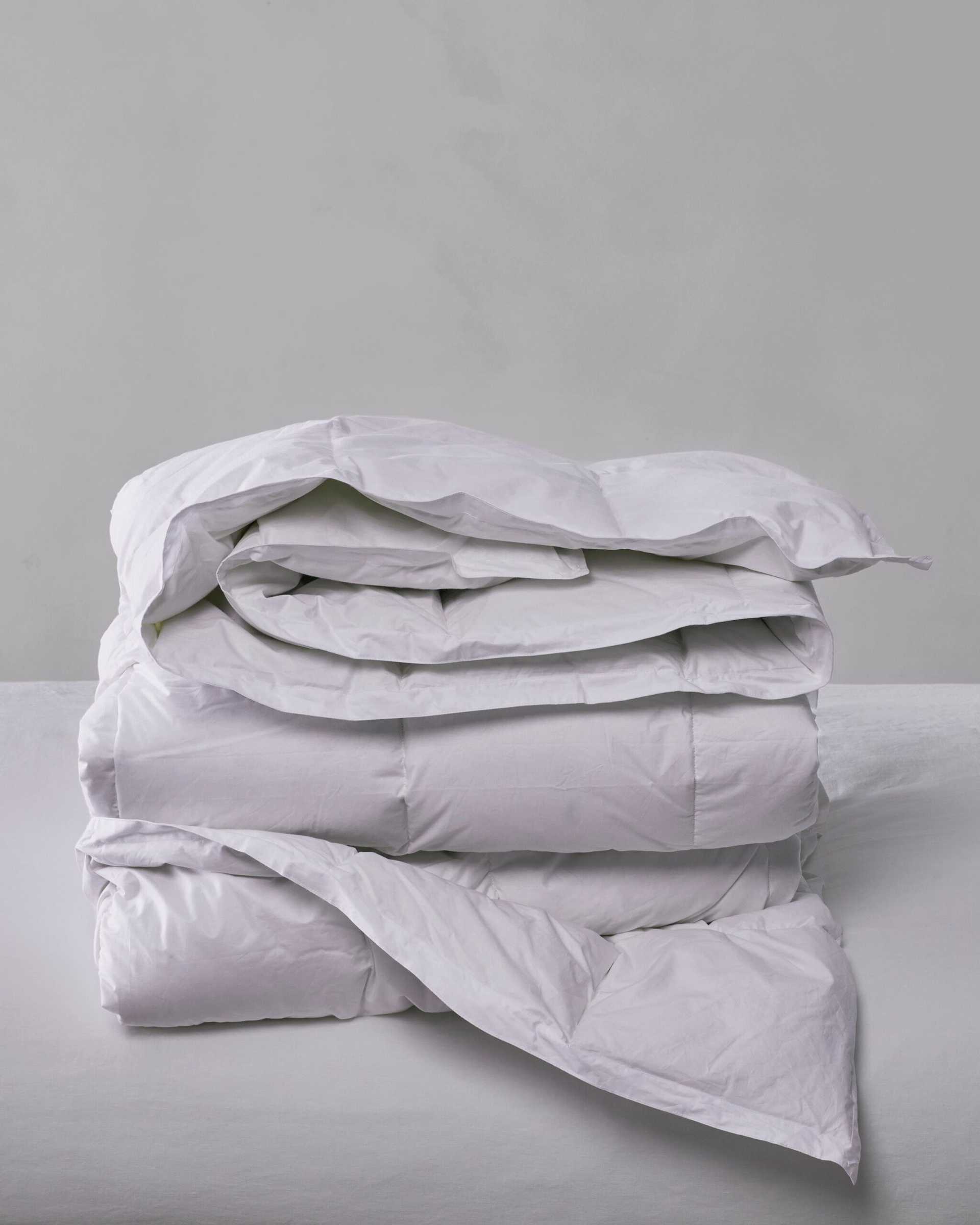
Duvets are insulated bedding layers designed to provide warmth while remaining flexible and easy to use with a removable duvet cover. Their warmth, weight, and temperature comfort depend on factors such as filling type, fill amount, construction, and bedroom conditions. Understanding these features helps distinguish duvets from traditional comforters and select suitable bedding.
Down duvet inserts use soft clusters that trap air, helping create insulation without relying on a dense outer layer. A winter weight down duvet insert is intended for colder conditions or people who prefer greater warmth at night. Pairing the insert with a breathable cover can also help protect the filling and simplify routine bedding care.
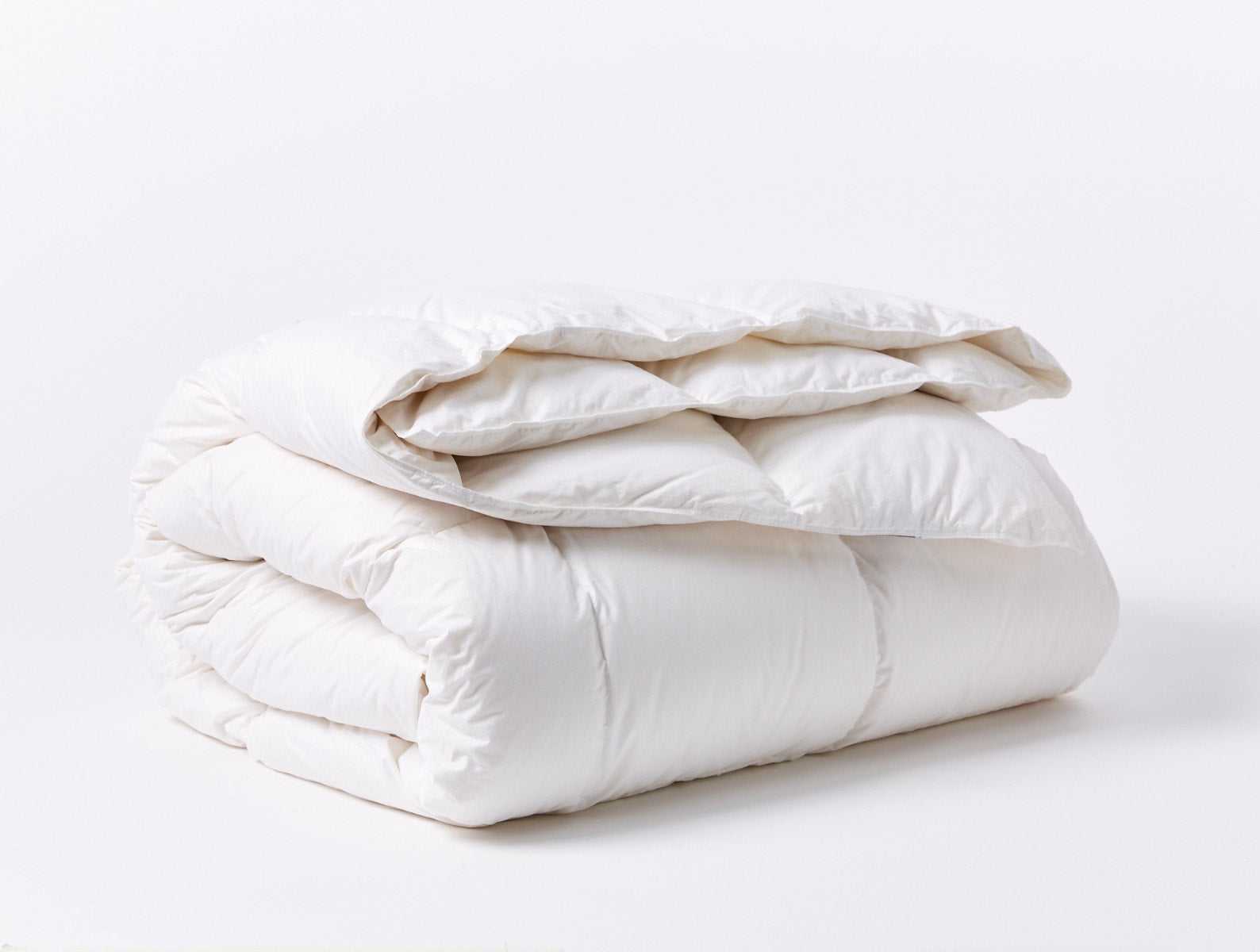
The Limited Item: Avalon, 600 Hypodown Duvet Insert, is identified by its 600 Hypodown specification. Hypodown describes a blend of down and small feathers, combining insulating clusters with supporting structure. This type of fill is relevant to people comparing down comforters and duvet inserts, although warmth and feel also depend on construction and individual preferences.
When comparing duvets with other bedding, consider seasonal warmth, sleeping temperature, and how easily the insert can be maintained. Pillows and comforters serve related but distinct roles: pillows support the head and neck, while comforters are generally finished bed coverings. Wool comforters offer another insulation option, with characteristics that differ from down-filled designs.
Care requirements vary by filling and product construction, so the maker’s instructions should guide cleaning, drying, and storage. A duvet cover helps limit direct contact with the insert, while regular airing may support freshness between washes. Evaluating these practical details alongside warmth and weight can make bedding choices more comfortable and appropriate for changing seasons.
 Bedding